
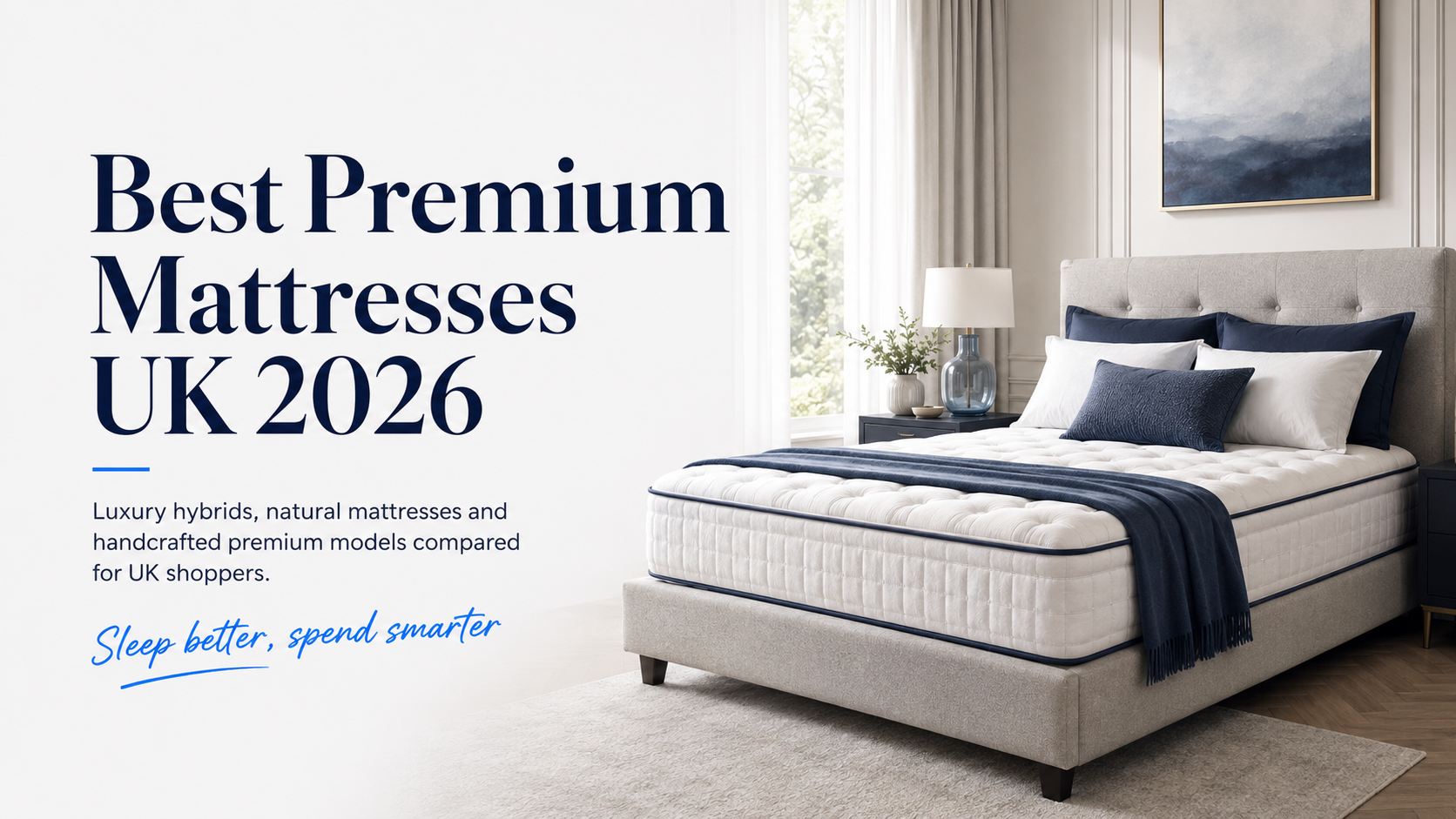
Premium mattresses can cost anywhere from several hundred pounds to several thousand, but a higher price does not automatically mean better sleep. We compared leading luxury hybrids, natural mattresses, traditional pocket-sprung models and premium foam designs to find where the extra money is genuinely worthwhile.
Some links on this page are affiliate links. This does not affect our product selection or ranking.
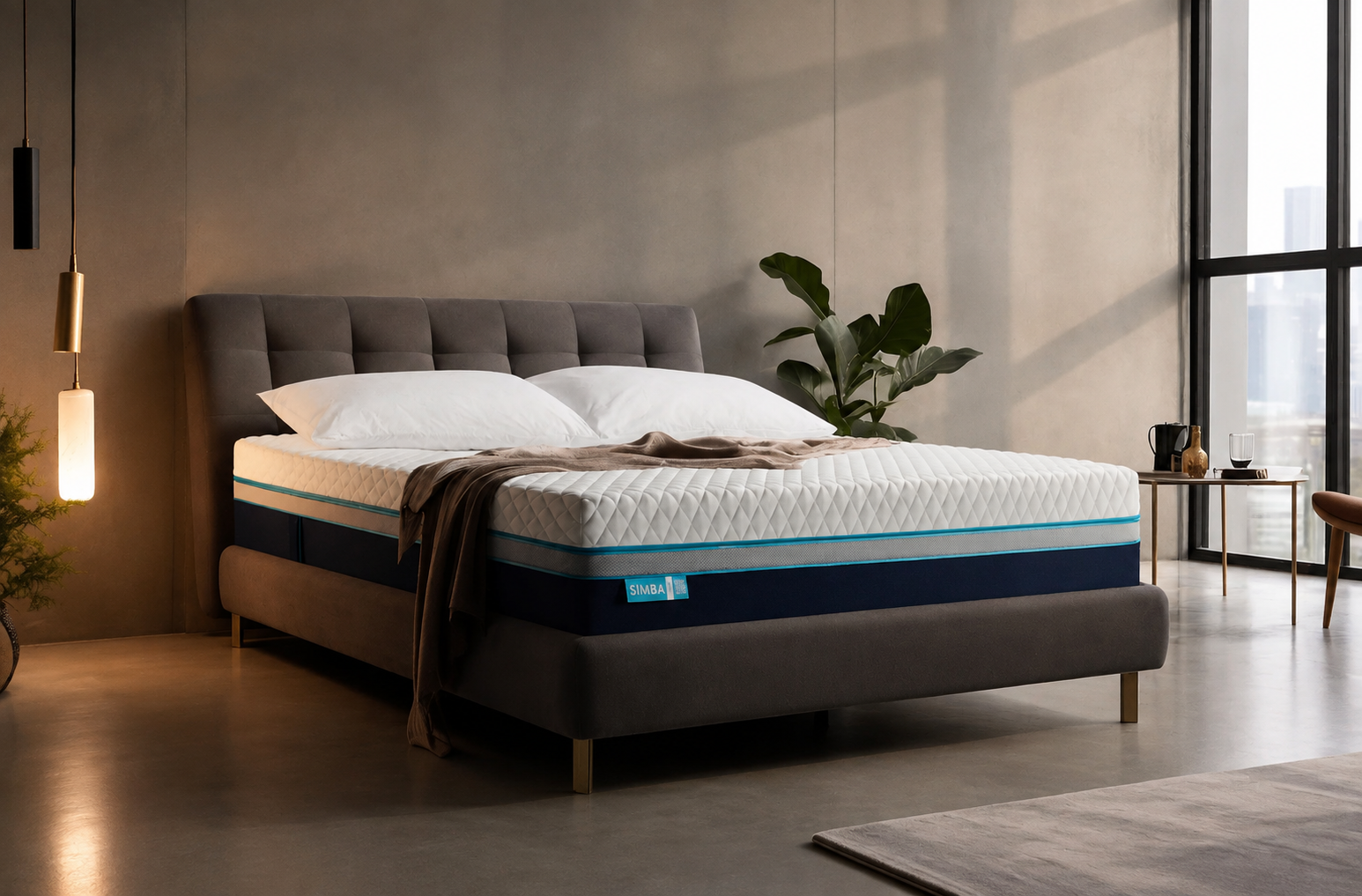
Our best all-round premium pick. Multiple spring layers, wool and bamboo, graphite-infused foam and a sprung support base make this a deep, heavily engineered medium-firm hybrid for shoppers who want modern construction rather than a traditional hand-filled mattress.
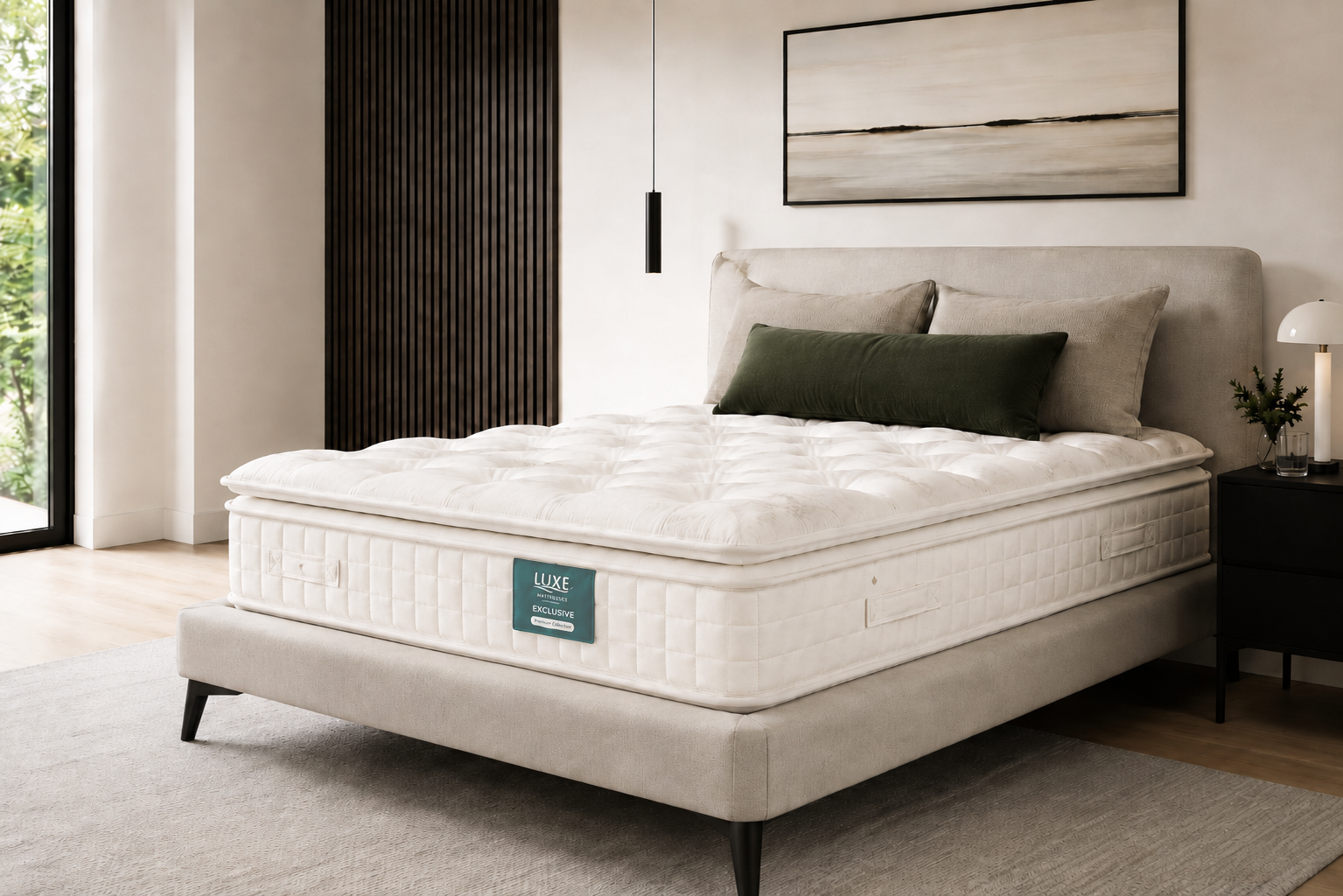
Our premium natural pick. Latex and natural-fibre comfort layers sit in a substantial pillow top over a pocket-sprung core, for buyers who want genuinely premium natural materials rather than predominantly synthetic foams, at well below ultra-premium branded pricing.
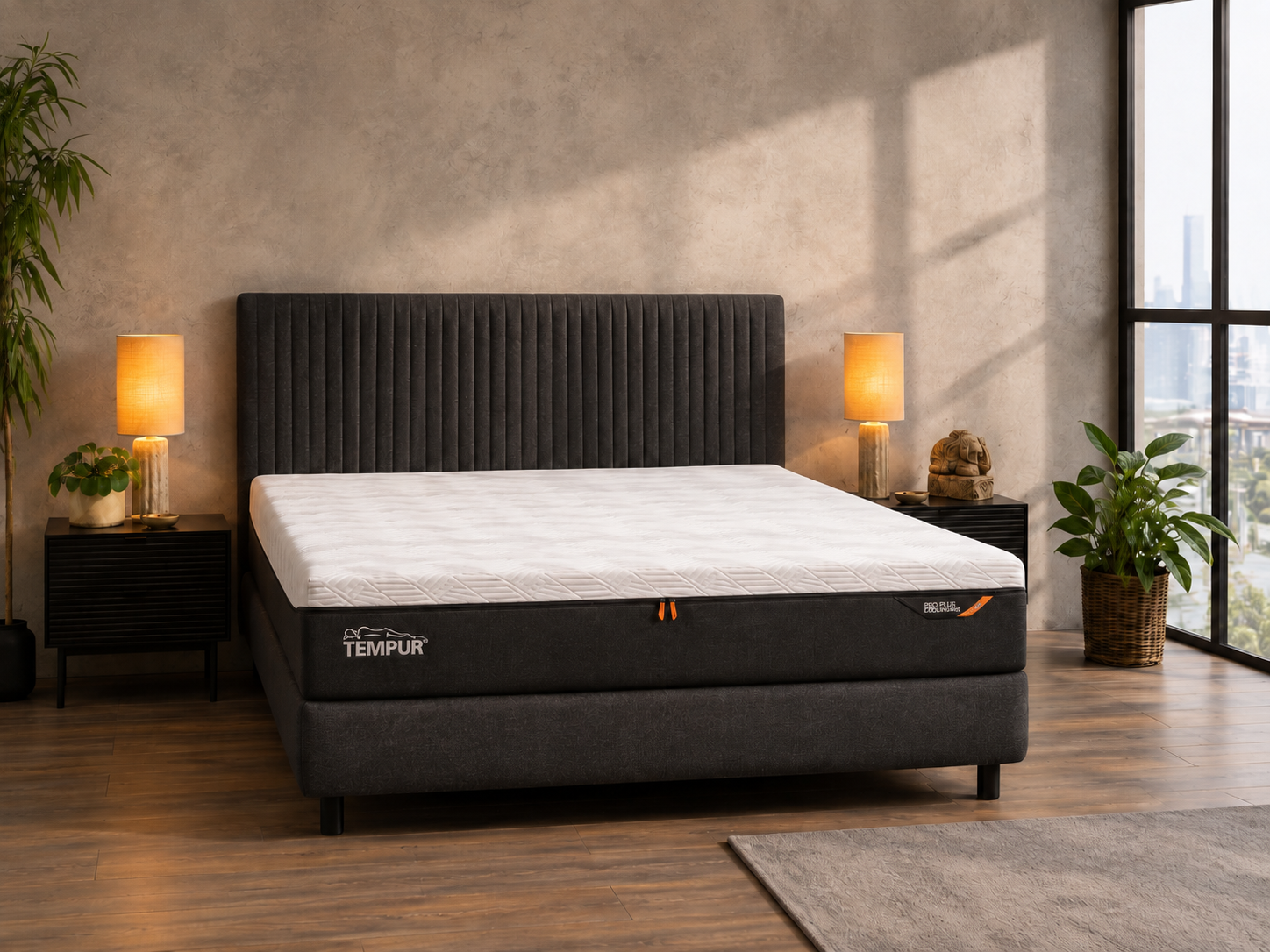
Our pressure-relief pick. TEMPUR's closely conforming material comes in a 25cm profile with a SmartCool cover and four firmness choices, suiting buyers with shoulder, hip or joint pressure rather than those wanting springy responsiveness.
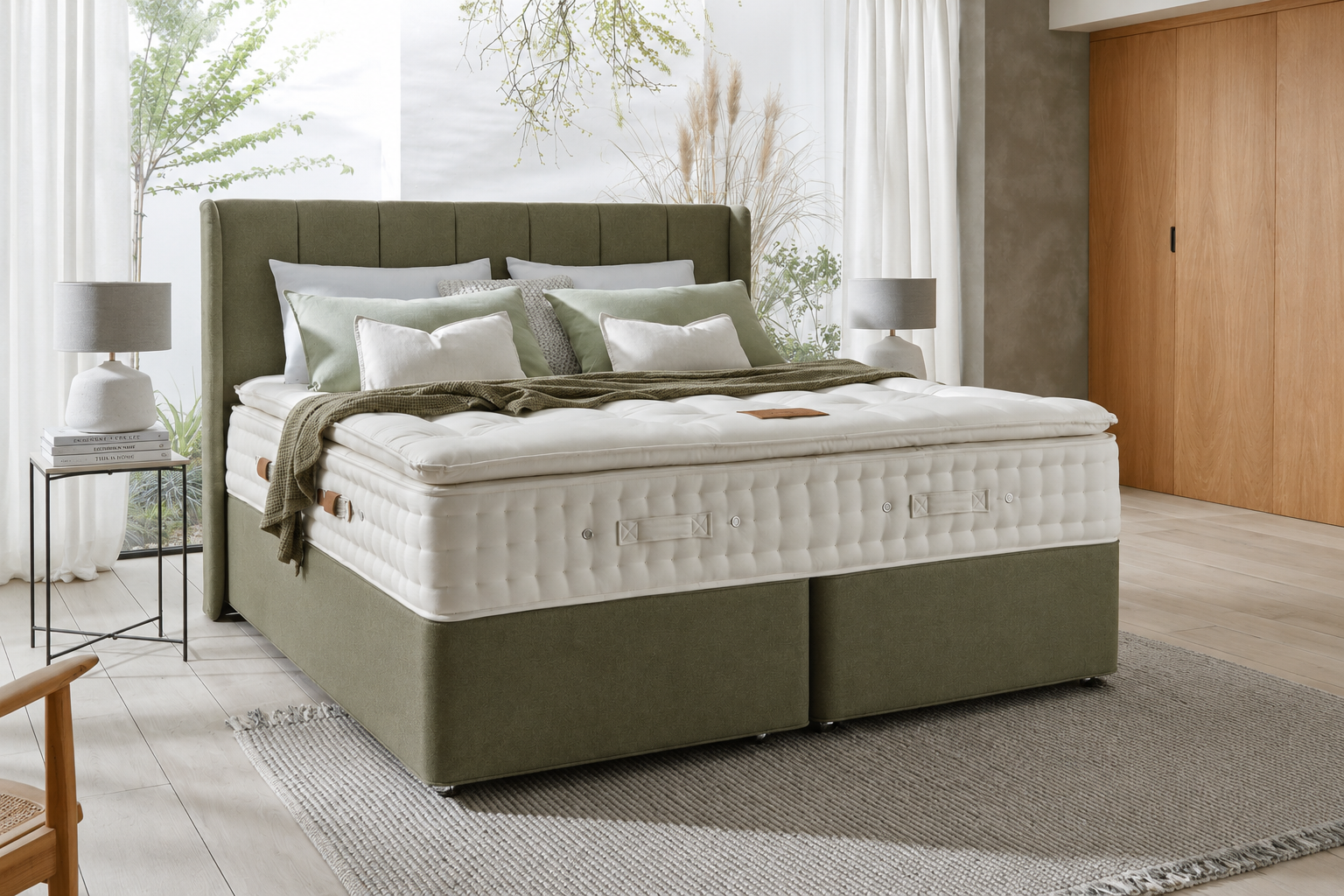
Our traditional luxury pick. Three fleeces of organic British wool, hand side-stitching and ReActivePro pocket springs give a firmer, resilient feel for buyers who value craftsmanship and natural materials above foam-heavy modern construction. Made in Britain.
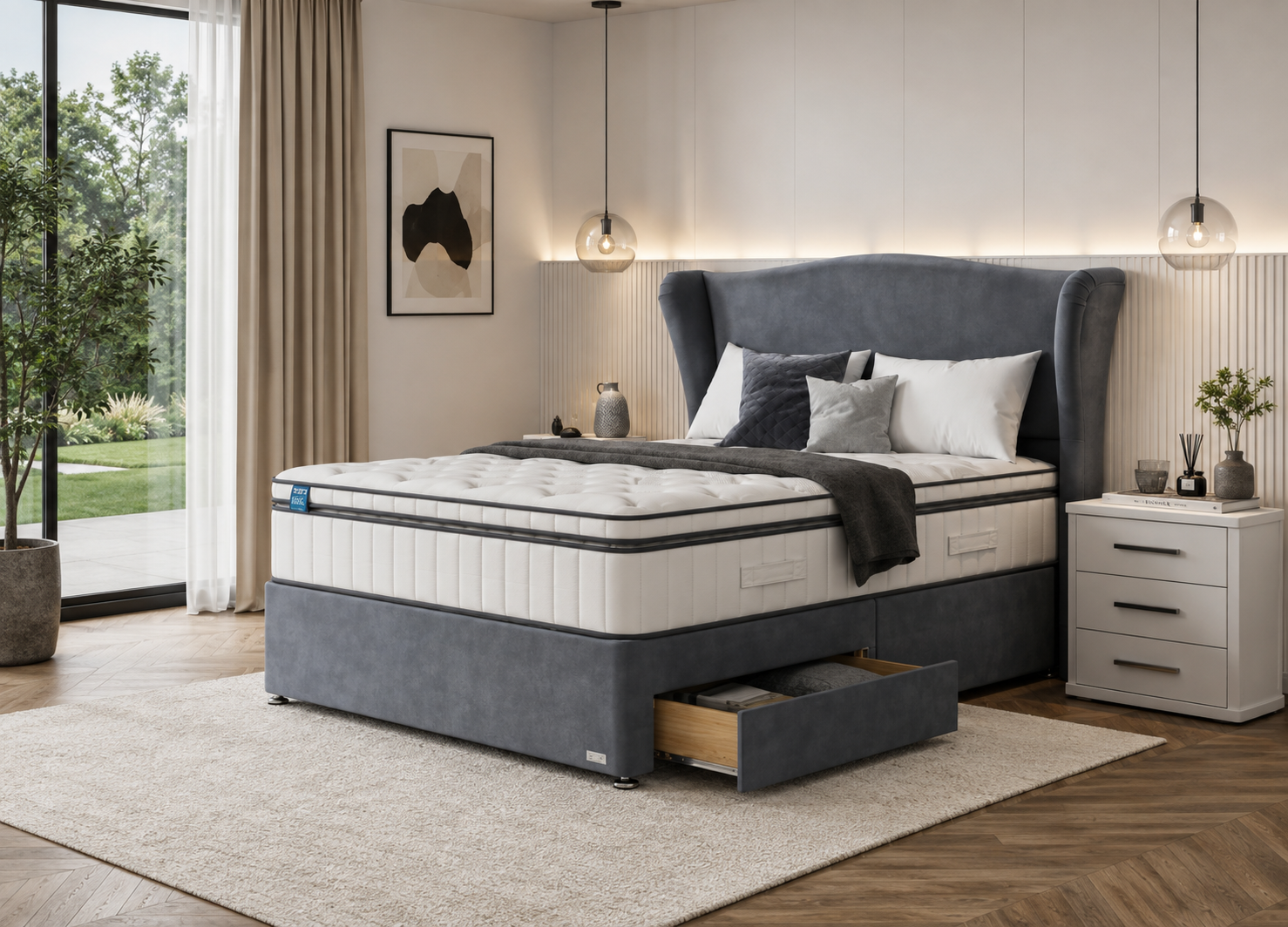
Our premium cooling pick. A 60mm graphene-infused iGel layer sits above 4,000 dual-layer pocket springs and a plush top, giving hot sleepers a genuinely different option from dense memory foam or natural-fibre mattresses. Soft, medium and firm options.
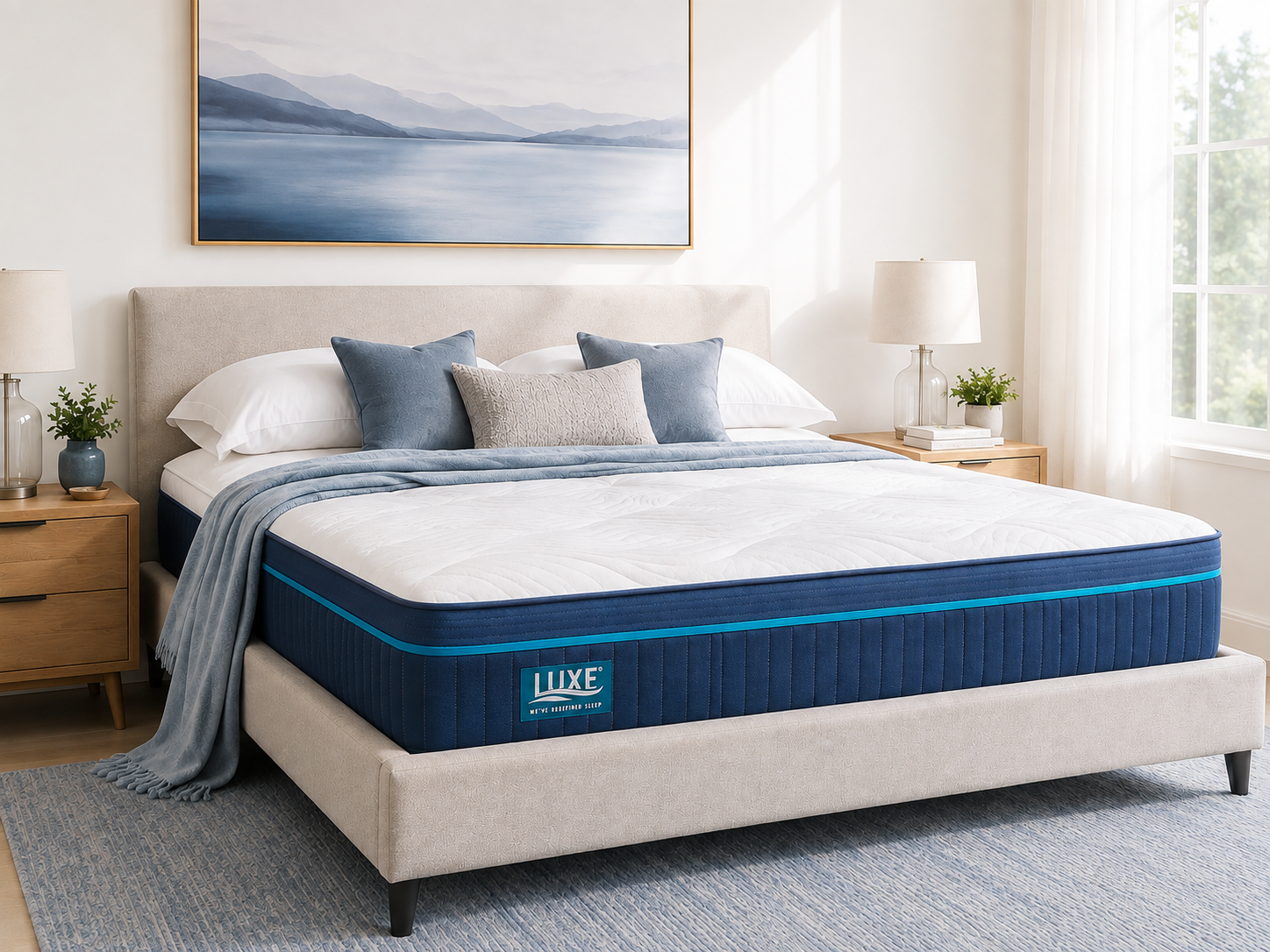
Our value route into premium specification. A high-spec firm hybrid pairing a dual pocket-spring system with cooling-gel comfort layers and coconut coir, for support-first buyers who care more about construction per pound than brand recognition.
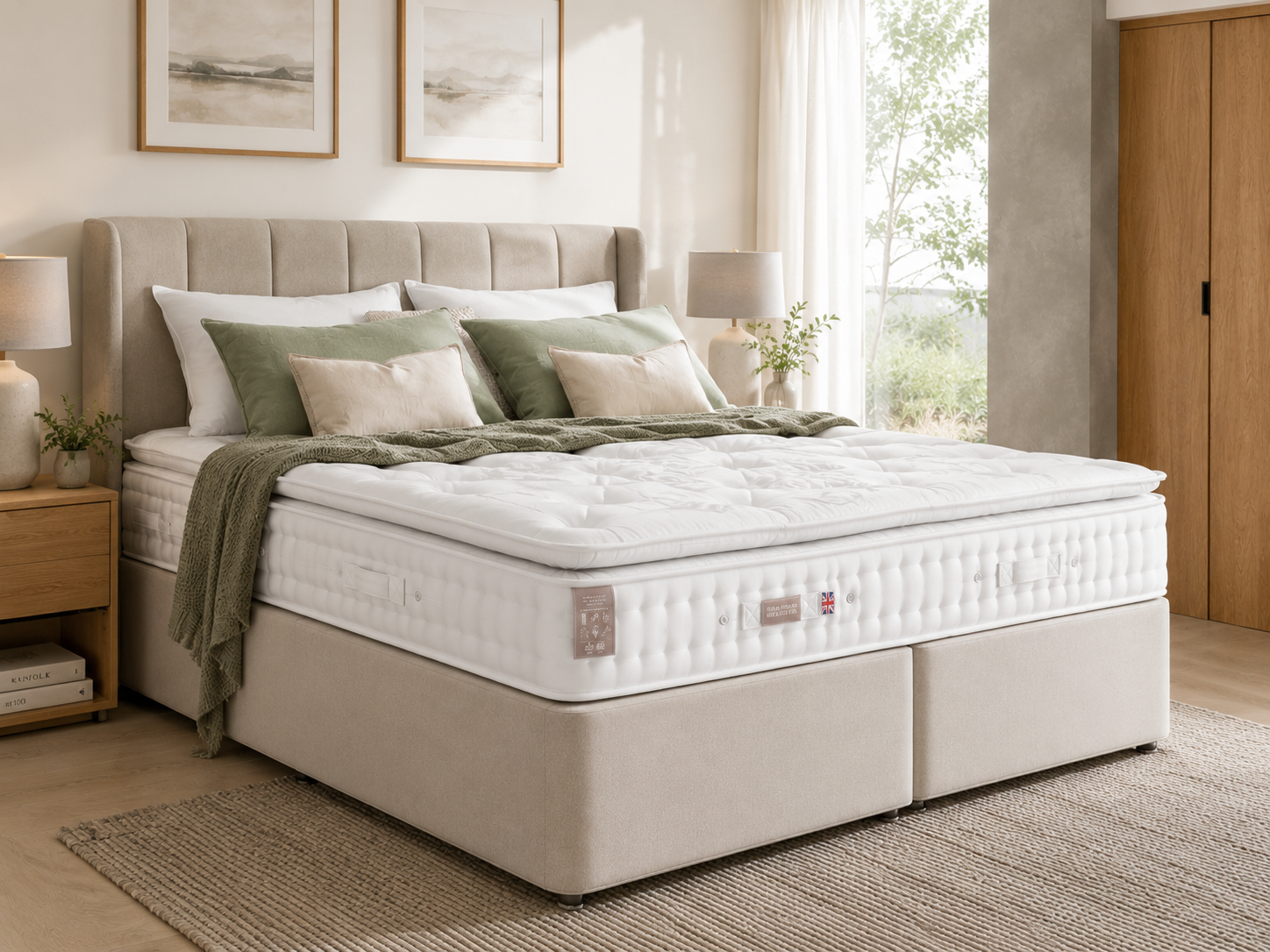
Our handcrafted pillowtop pick. 5,000 dual-layer pocket springs sit beneath a deep tufted pillowtop with natural wool and cotton, making it the choice for buyers wanting a substantial British-made, hotel-style surface rather than a foam-led hybrid.
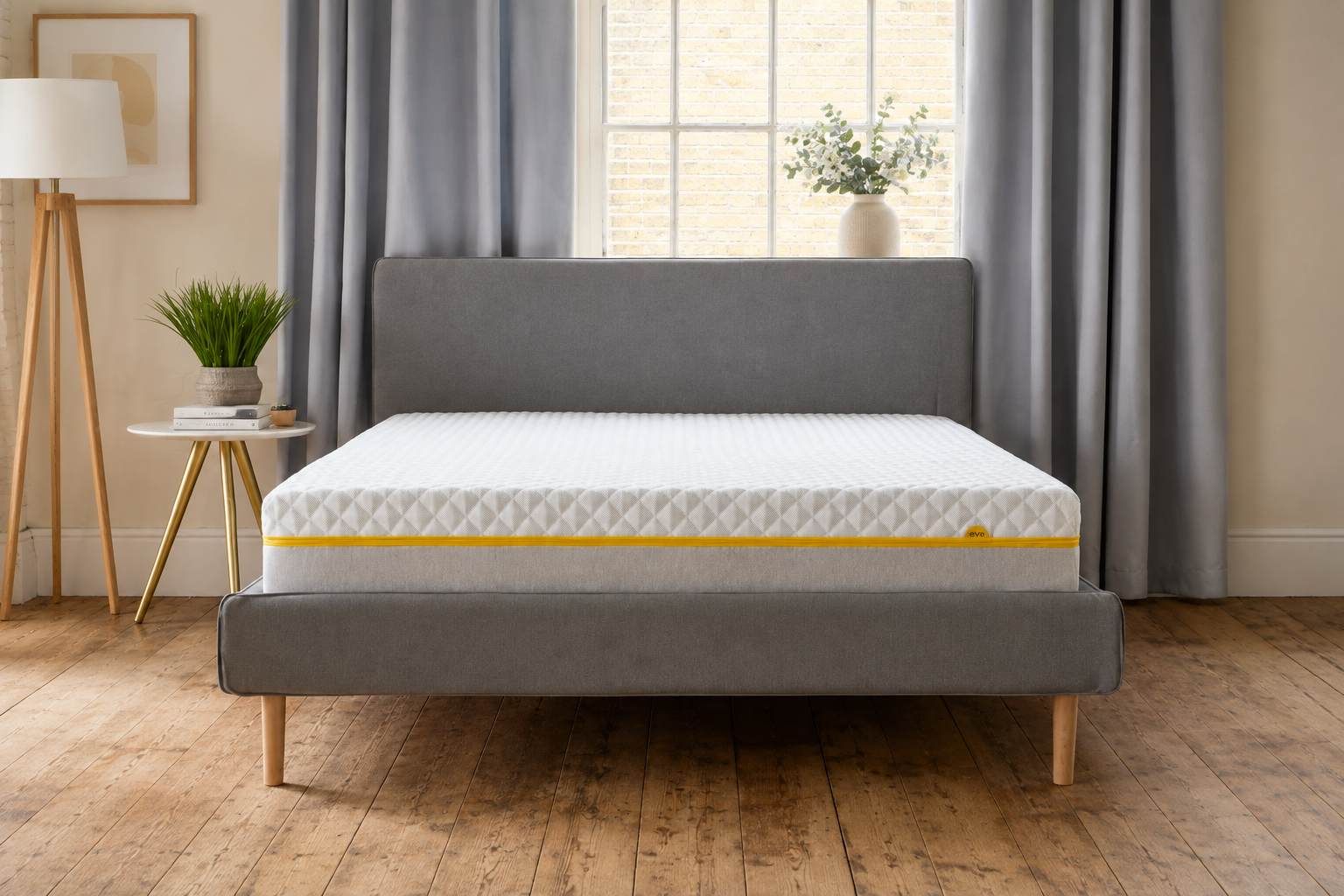
Our premium hybrid value pick. Five premium foam layers over more than 1,400 full-height pocket springs deliver much of the pressure relief, motion isolation and cooling engineering of far more expensive branded hybrids, with reinforced edges for couples.
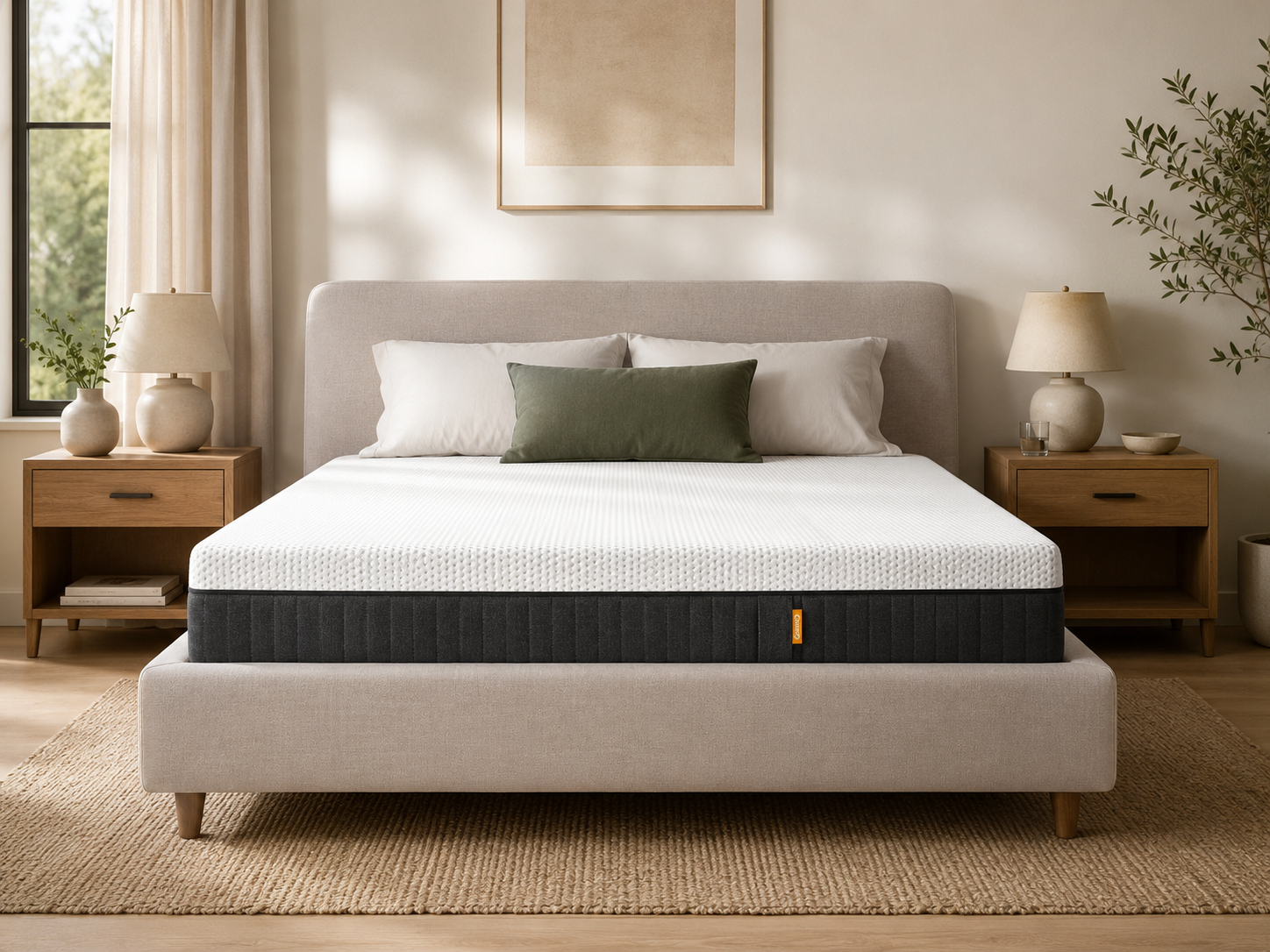
Our direct-to-consumer cooling pick. ThermoSync graphite technology, 7-zone springs and a deeper 27cm build, plus a 200-night trial buying direct — one of the most accessible prices here for warmer sleepers who want time to decide at home.
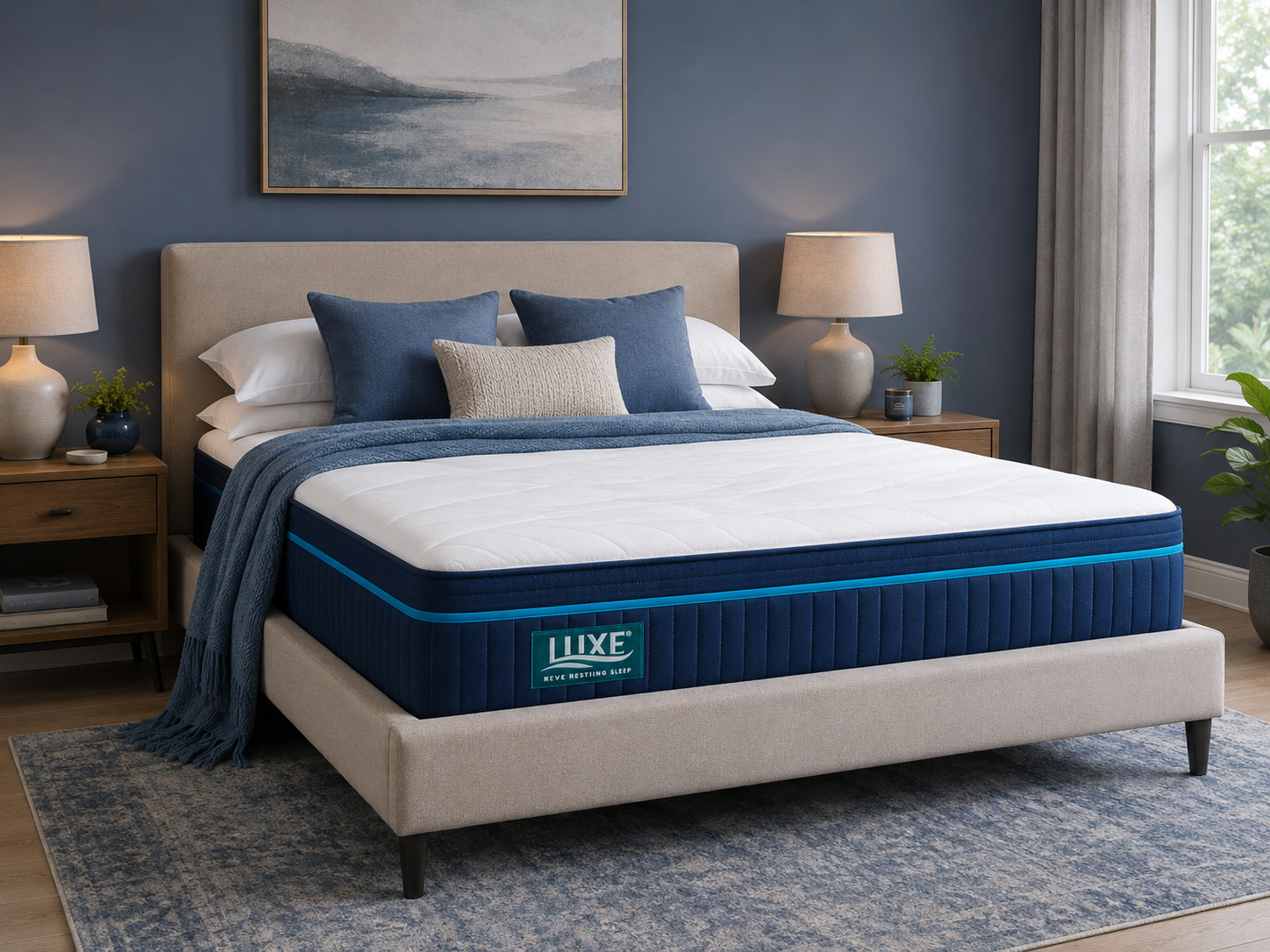
Our plush premium pick. Cooling-gel and comfort foams over a dual pocket-spring system cushion the shoulders and hips while keeping sprung support underneath, suiting side sleepers who dislike the firmer feel of most premium builds.
Best current price is based on the retailers and routes we checked at the time of review. Prices can change.
Price alone is not a specification. What separates a genuinely premium mattress from an expensive one is usually the amount and quality of material inside it: the number and type of springs, the depth and composition of the comfort layers, and whether the fillings are natural fibres and latex or predominantly synthetic foam.
Build quality matters as much as materials. Hand-tufting, side stitching, dual spring systems and heavier upholstery weights all cost more to produce and tend to hold their shape longer than a simple foam-over-spring sandwich.
The commercial terms are part of the package too. Longer guarantees, longer home trials and clearer returns handling are common at premium level, and they are worth checking before you compare two prices side by side.
£700 vs £2,000+: what are you actually paying for?
Around £700 buys a well-specified hybrid: a decent pocket-spring count, foam or gel comfort layers and a feel that suits most sleepers. For a lot of buyers this is the point where extra spending stops producing an obvious improvement in comfort.
Above roughly £1,200 the money tends to go into materials rather than feel — latex, wool, cotton and cashmere fillings, higher upholstery weights, dual spring systems and hand-finished construction. These can improve breathability and longevity more than they change how soft or firm the mattress feels on night one.
Beyond £2,000 you are usually paying for traditional craftsmanship, heavier natural-fibre content and brand heritage. That is a reasonable purchase if those things matter to you; it is poor value if what you actually wanted was a medium-firm hybrid.
Natural fillings vs premium hybrids
Natural-filled mattresses use wool, cotton, latex and similar fibres in the comfort layers. They breathe well, tend to feel more resilient than memory foam, and appeal to buyers who would rather avoid petrochemical foams. They usually cost more for the same spring specification.
Premium hybrids lean on engineered foams and gels over a spring unit. They are typically better at close contouring and motion isolation, are more widely reviewed, and are easier to compare on price because so many brands sell them.
Neither is objectively better. If breathability and material provenance drive your decision, look at natural fillings. If pressure relief, partner disturbance and value per pound matter more, a premium hybrid is usually the more efficient choice.
Which premium mattress is right for you?
If you want natural materials, start with the latex and natural-fibre options rather than comparing them against mainstream hybrids on price.
If your main problem is hip, shoulder or back pressure, prioritise deeper pressure-relieving comfort layers and a plusher surface over raw spring counts.
If you sleep hot, treat cooling as a construction question — sprung cores, breathable natural fibres and open-cell or gel layers — rather than a marketing claim.
If you simply want the best build for the money, a high-specification firm hybrid will usually get you closer to premium performance for several hundred pounds less.
Want to try before you buy?
Prefer to test a mattress in person? Browse the current mattress range at Bensons for Beds, then find a nearby store to try selected models.
How we compare mattresses
A premium mattress is more than a high price tag. We compare the construction, comfort and buying terms most likely to make a meaningful difference once the mattress is in your home.
Construction
We look at what is actually inside the mattress — spring systems, foam layers, latex, natural fibres, pillow tops and how those components are combined.
Support
We consider the spring unit, zoning, edge support and overall build to assess how the mattress is designed to support different body weights and sleeping positions.
Firmness & comfort
Firmness labels vary between brands, so we consider the complete construction and available firmness choices rather than relying on a single marketing description.
Cooling design
We look for practical temperature-management features such as breathable natural fibres, open spring structures, airflow channels, cooling covers, gels and graphite-infused foams.
Trial period
A home trial can be particularly valuable with an expensive mattress. We check the published trial or comfort-guarantee terms for the retailer route we recommend.
Guarantee
We compare the manufacturer's published guarantee and consider whether the protection is appropriate for a mattress at that price and specification level.
Current UK pricing
We compare the retailer routes available to UK shoppers and show the best current price we found at the time of review. Mattress prices and promotions can change.
What we verify
We do not carry out laboratory sleep testing. We only publish product specifications we can verify with the manufacturer or retailer, and we distinguish published specifications from our own editorial assessment.
Some links on this page are affiliate links. If you buy through one of them we may earn a commission at no extra cost to you. Commercial relationships do not determine which products appear here or in what order.