

A plush mattress should feel cushioned at the surface without simply allowing the body to sink too deeply. Pillowtops, softer foams, gel layers, latex and substantial upholstery can all create a softer initial feel, but the support system underneath still matters. Below we compare the strongest plush and comfort-led mattresses currently available to UK shoppers, looking at surface feel, pressure relief, support, cooling, price and who each mattress is best suited to.
Why you can trust this guide
Research-led picks
We compare and evaluate mattresses on the factors that matter most.
Published criteria
Our rankings are based on our clear, published methodology.
UK market focus
Recommendations tailored for UK shoppers and retailers.
Affiliate transparency
Some links earn us a commission, but our recommendations aren't affected.
Our plush mattress picks
Each mattress below is our pick for a specific category. Prices shown are the best current prices we found at the time of review and can change.
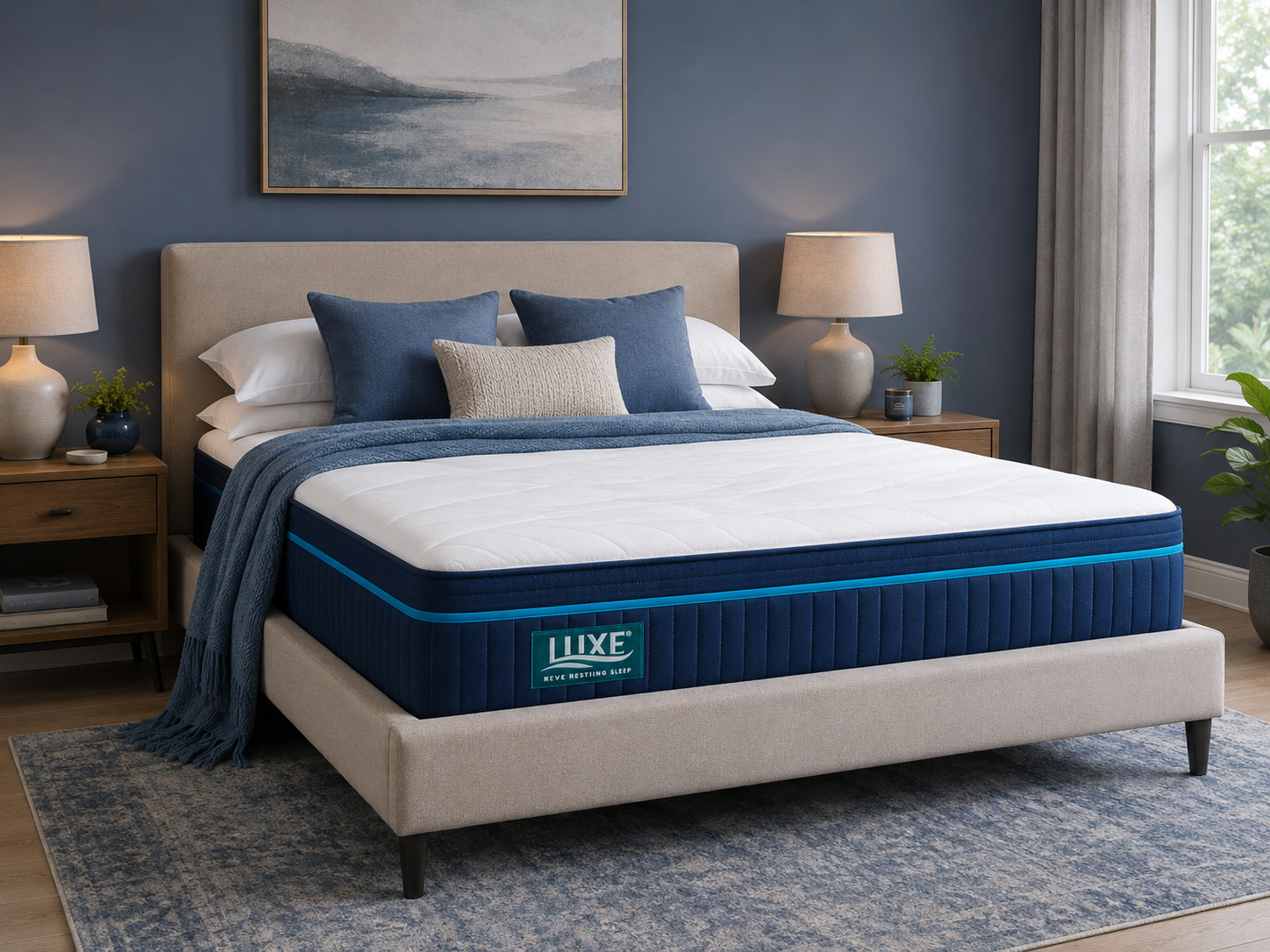
Luxe Nova Hybrid
Softer comfort foams over a dual pocket-spring system, at a mid-market price — the most accessible genuinely medium-soft build we compare, with firmness options if you want to fine-tune the surface.
- Feel
- Medium-soft
- Best for
- Buyers who prefer less surface firmness but still want a sprung core
- Stands out
- Softer comfort layers above a dual pocket-spring system.
- Comfort layers are designed to provide a more cushioned surface
- Sprung core keeps support under the waist rather than relying on foam alone
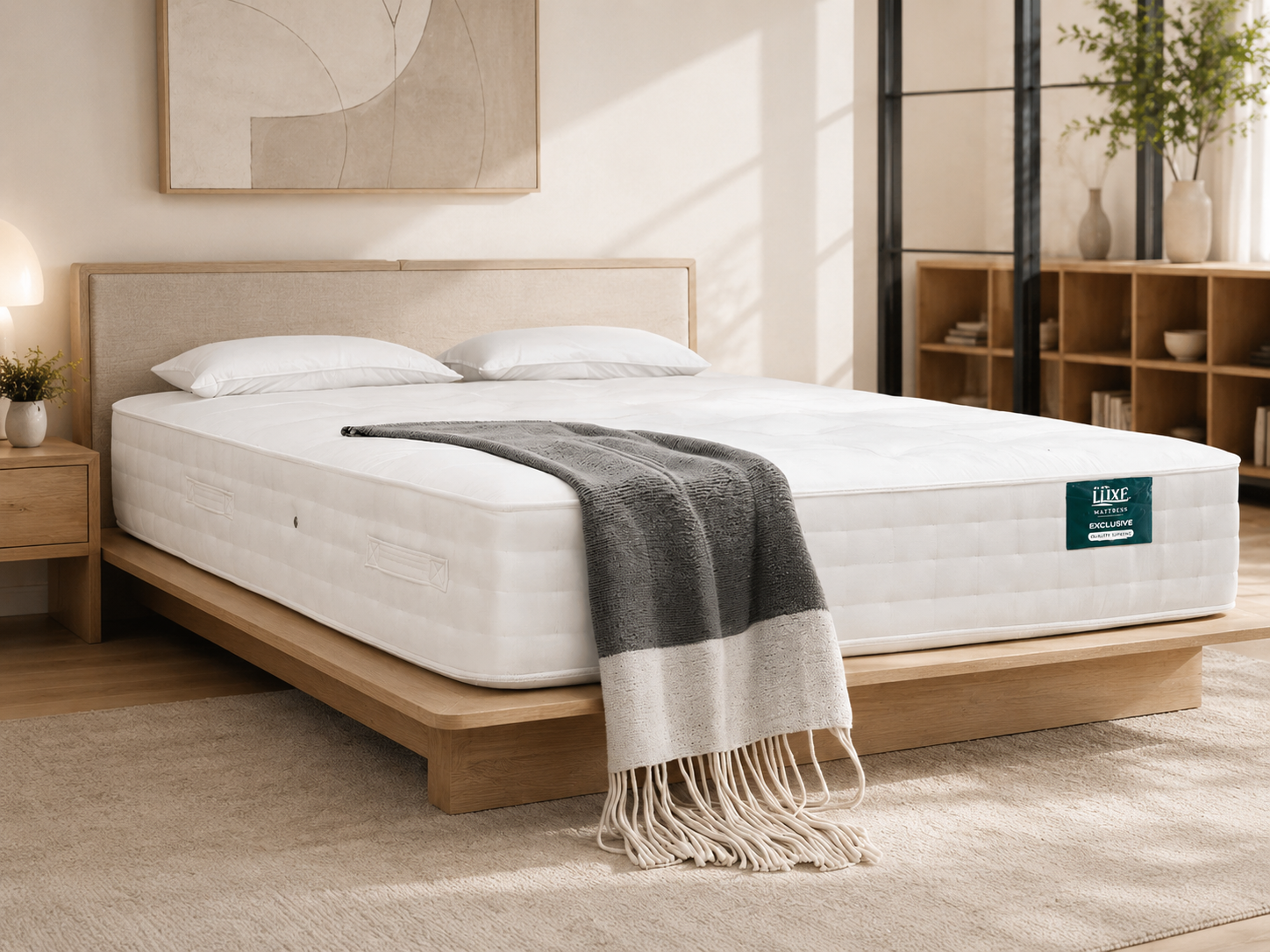
LuxeOrganic Hybrid Latex
Natural latex cushioning layers over a pocket-spring core, for buyers who want a softer, responsive surface built from natural materials rather than synthetic comfort foams.
- Feel
- Medium with natural latex bounce
- Best for
- Shoppers who want cushioning from natural latex and fibres
- Stands out
- Latex cushioning layers above a pocket-spring core.
- Latex cushions the surface while responding quickly instead of sinking
- Natural-fibre comfort layers over a sprung core rather than solid foam
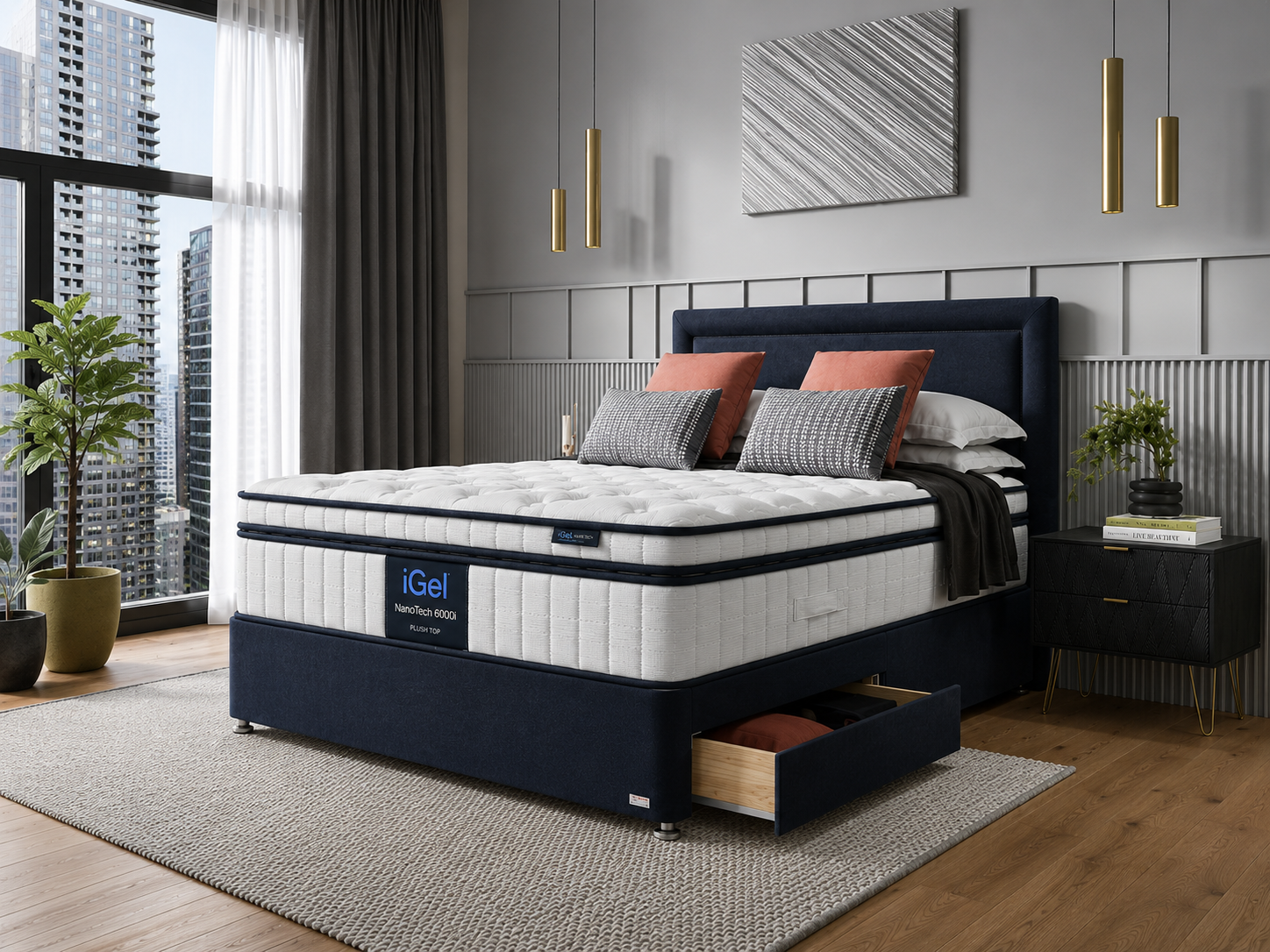
iGel NanoTech 6000i Plushtop
A high-count pocket-sprung hybrid with a gel-infused plushtop, so the softer surface sits above a substantial support system rather than replacing it.
- Feel
- Medium with a soft plushtop surface
- Best for
- Buyers who want a deep plushtop without giving up spring support
- Stands out
- Gel-infused plushtop over a high-count pocket-spring system.
- Plushtop surface offers deeper surface comfort above the springs
- Gel-infused comfort layer is designed to help manage heat at the surface
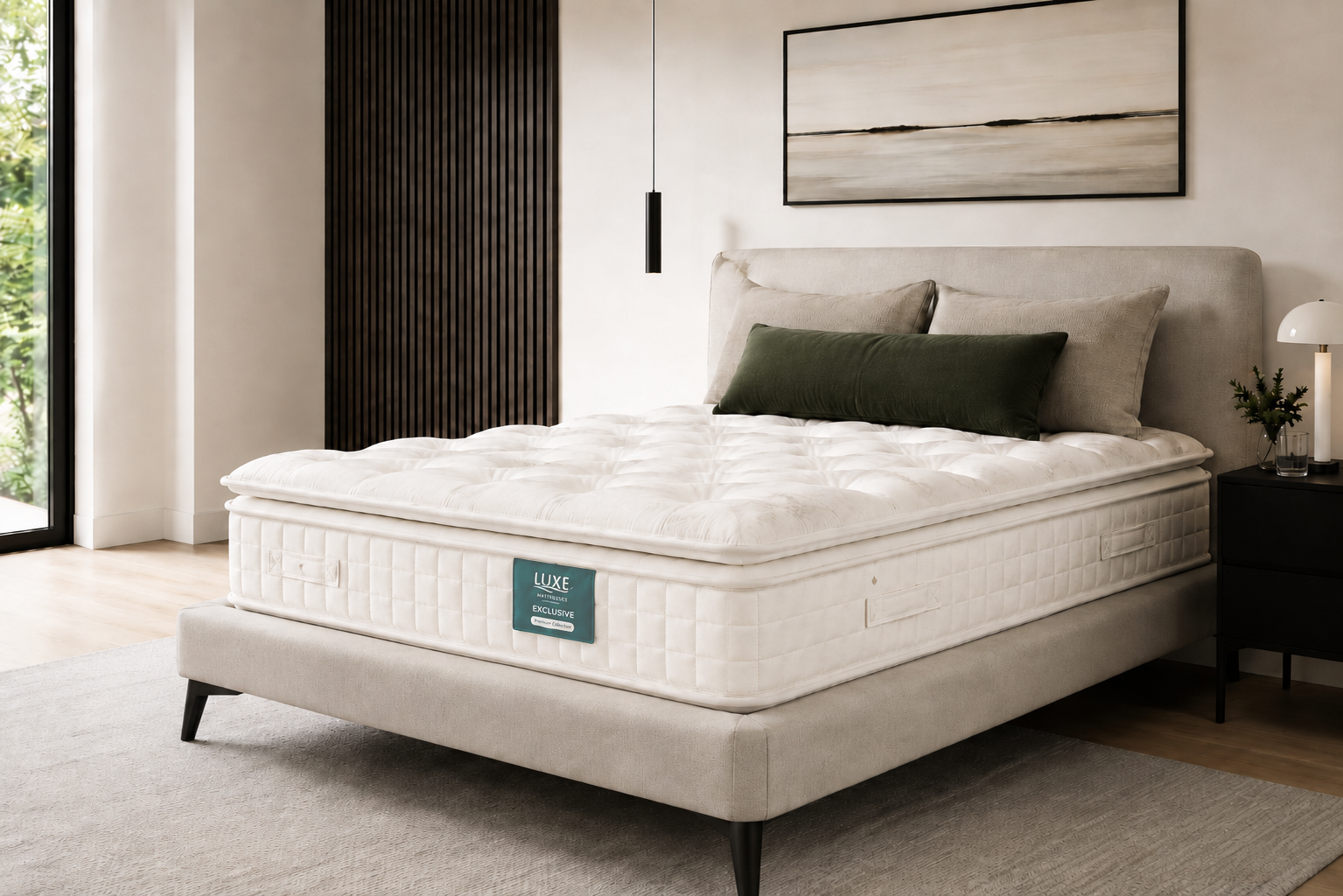
Luxe-Latex Natural Pillow Top 5000
A natural latex pillow top over a high-count pocket-spring core — a cushioned surface layered on top of a firmer support system rather than a uniformly soft build.
- Feel
- Plush pillow top over firmer support
- Best for
- Buyers who want a cushioned surface with natural fillings underneath
- Stands out
- Natural latex pillow top on a high-count pocket-spring core.
- Pillow top uses comfort layers intended to distribute pressure at the surface
- High-count sprung core keeps support underneath the softer top
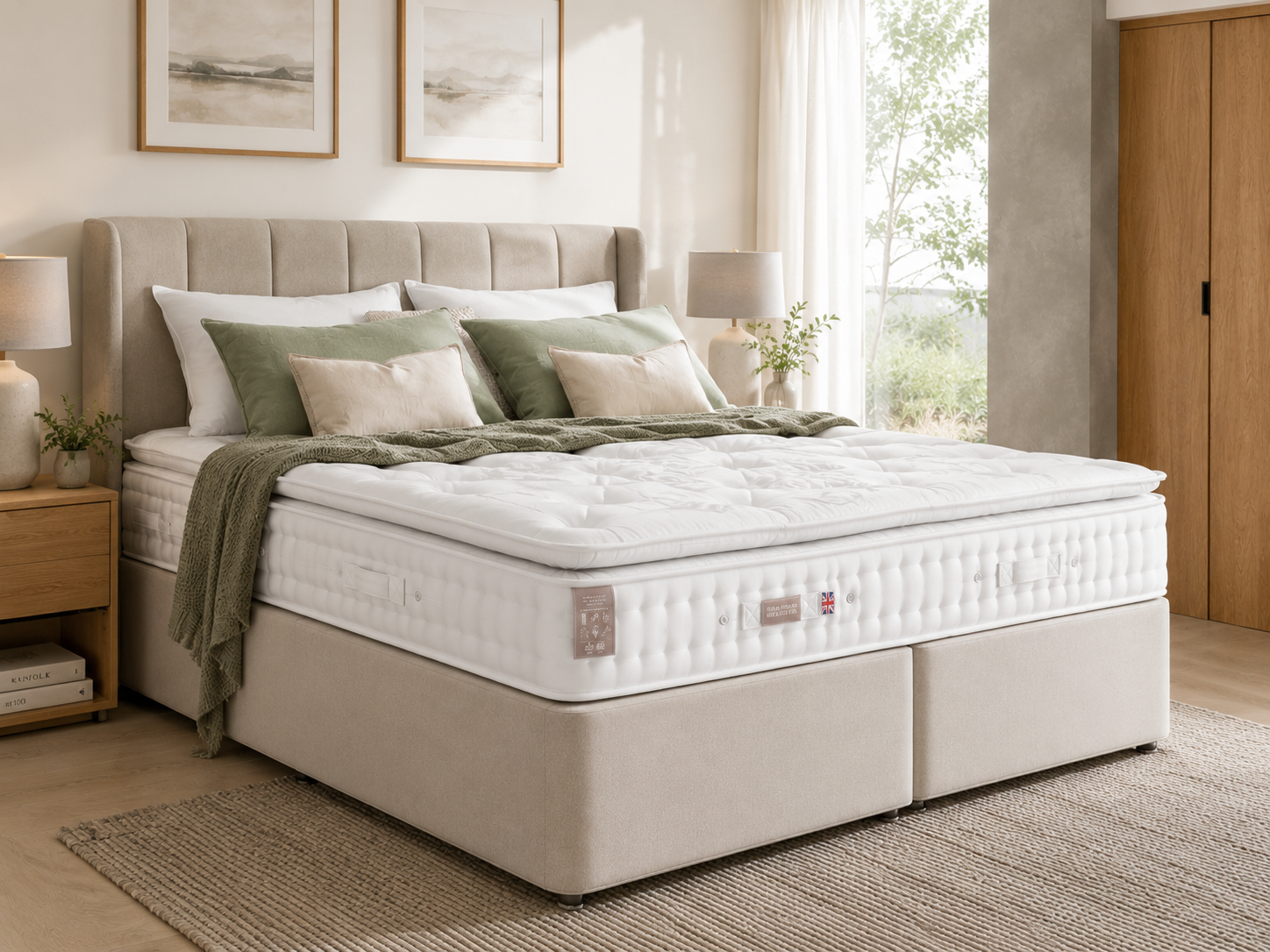
Staples & Co Artisan Pure Decadence
An ultra-deep tufted pillowtop over dual-layer pocket springs, with wool and cotton upholstery — the traditional route to a soft surface, built from natural fibres rather than foam.
- Feel
- Deep pillowtop over a traditional sprung build
- Best for
- Buyers who want a hand-finished pillowtop with natural-fibre upholstery
- Stands out
- Ultra-deep tufted pillowtop above dual-layer pocket springs.
- Deep natural-fibre pillowtop offers a cushioned surface without synthetic foam
- Dual-layer pocket-spring system carries the support beneath the upholstery
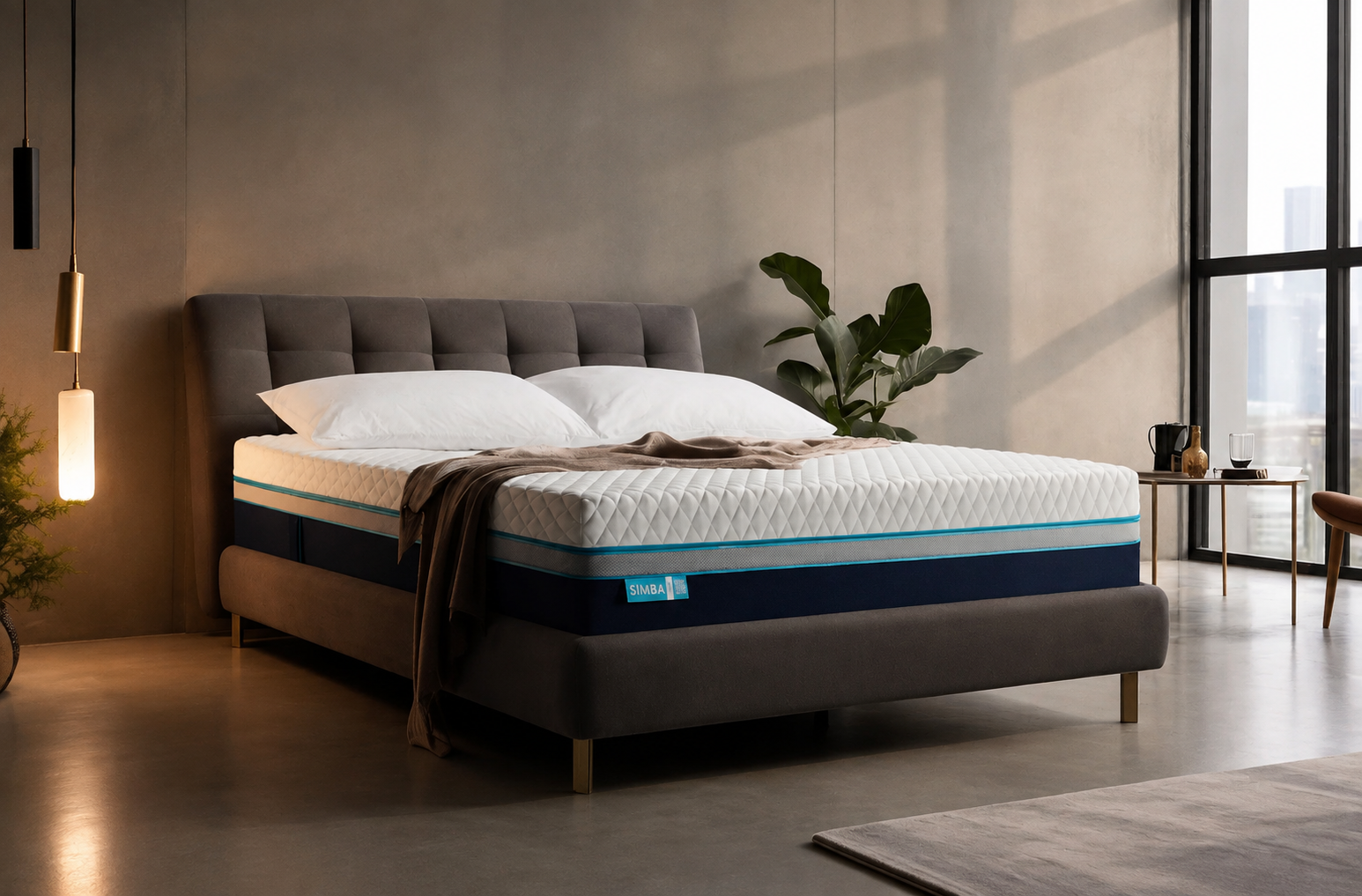
Simba Hybrid Luxe
A 31cm build with a cushioned top layer over micro springs, graphite-treated foam and 3,800 Aerocoil springs — softness delivered by extra layers rather than a single thick foam slab.
- Feel
- Medium-firm with a cushioned top layer
- Best for
- Buyers who want a well-known brand they can test in store
- Stands out
- Cushioned top layer and micro springs above 3,800 Aerocoil springs.
- Cushioned upper layers sit above a multi-layer spring system
- Wool and bamboo layer adds a softer, breathable surface
Best current price is based on the retailers and routes we checked at the time of review. Prices can change.
Some links on this page are affiliate links. This does not affect our product selection or ranking.
What makes a mattress plush?
There is no single standard definition of a “plush mattress” in the UK, so the label alone tells you relatively little about what is inside. What matters is the construction: how deep and how soft the comfort layers are, and what supports them underneath.
A plush surface can come from a pillowtop or plushtop, from softer comfort foams or gel layers, from latex cushioning, or from substantial natural-fibre upholstery. Each creates a different kind of softness.
The important distinction is between a mattress that cushions the surface and one that simply allows the body to sink. A plush mattress with a supportive spring or latex core still holds the hips and lower back in position while the top layers give way.
Plush comfort layers, compared
Pillowtops and plushtops add a separate cushioned layer above the main mattress, which is why they can feel soft at the surface while the build beneath stays supportive.
Softer comfort foams and gel layers contour closely and are used to distribute pressure across a wider area. Gel-treated versions are also designed to help manage heat at the surface.
Latex cushions but responds quickly rather than sinking, so it can feel softer underfoot without enclosing the body.
Wool, cotton and other natural fibres create softness through depth of upholstery rather than foam, and typically settle slightly during the first months of use.
Who tends to prefer a plush mattress?
Plush builds may suit buyers who prefer less surface firmness, or who find firmer mattresses uncomfortable at the shoulder and hip.
Side sleepers often prefer more cushioning at the surface, because the shoulder and hip sit further into the mattress than they do when lying on the back.
Lighter body weights tend to compress comfort layers less, so a softer surface can feel more supportive than a firm one. Heavier body weights usually need a stronger support system beneath any plush layer.
If you share a bed and one of you prefers a firmer surface, look for a model offered in more than one tension rather than compromising on a single feel.
Which plush mattress is right for you?
If you want a cushioned surface at a mid-market price: softer comfort foams over a pocket-spring core give a genuinely medium-soft feel without a premium price.
If you prefer natural materials: latex cushioning over a sprung core softens the surface without synthetic comfort foams.
If you want a deep plushtop: a plushtop hybrid places the cushioning in a distinct layer above a high-count spring system.
If you want traditional construction: a hand-finished pillowtop with wool and cotton upholstery creates softness through natural fibres rather than foam.
If you want a brand you can test in store: a mainstream hybrid with cushioned upper layers is easier to try before you commit.
If temperature also matters: a plushtop with a gel or graphene-treated layer keeps the temperature-management material in the surface you sleep on.
What a plush surface can and cannot do
Surface softness and support are separate things. A plush mattress can feel cushioned and still be supportive, but a soft comfort layer over a weak core will usually feel unsupportive over time.
Firmness labels are not standardised between brands, so a “medium-soft” from one manufacturer can feel closer to a “medium” from another. The construction tells you more than the label.
Allow some time for a new mattress to settle. Comfort layers and natural fillings can compress slightly with use, and the feel may become more familiar after the first few nights.
Want to try before you buy?
Surface softness is difficult to judge from a specification sheet, so a plush mattress is worth lying on before you commit. Bensons for Beds has physical stores around the UK where selected mattresses can be tested.
How we compare plush mattresses
Softness is described inconsistently across the mattress market, so we focus on construction we can verify: what sits at the surface, what supports it, and the buying terms most likely to matter once the mattress is in your home.
Surface feel
We look at what sits closest to the body — pillowtop, plushtop, softer foam, gel or latex — because that is the layer that most affects how cushioned a mattress feels.
Comfort layers
We compare the depth and composition of the comfort layers, and whether the softness comes from a distinct top layer or from the whole build.
Support
We consider zoning, spring tension and edge support, since a plush mattress still has to support your sleeping position and body weight properly.
Spring system
We look at the type and arrangement of the sprung core, and any additional spring layers, rather than the headline count alone.
Firmness options
Firmness descriptions vary between brands, so we consider the complete construction and any available tension choices rather than a single label.
Temperature
Deeper comfort layers can trap more heat, so we note any breathable fibres or gel-treated layers positioned in the surface.
Trial & guarantee
We check the published home-trial or money-back terms and the manufacturer's guarantee on the retailer route we recommend.
Current UK pricing
We show the best current UK price we found at the time of review. Mattress promotions can change frequently.
What we verify
We do not carry out laboratory testing. Product specifications are based on information we can verify with manufacturers or retailers, and editorial assessments remain clearly distinguishable from published specifications.
Some links on this page are affiliate links. If you buy through one of them we may earn a commission at no extra cost to you. Commercial relationships do not determine which products appear here or in what order.